LYSINE-PROLINE-VALINE (KPV) (10mg)
By TidesVI
$120.00 USD — In Stock
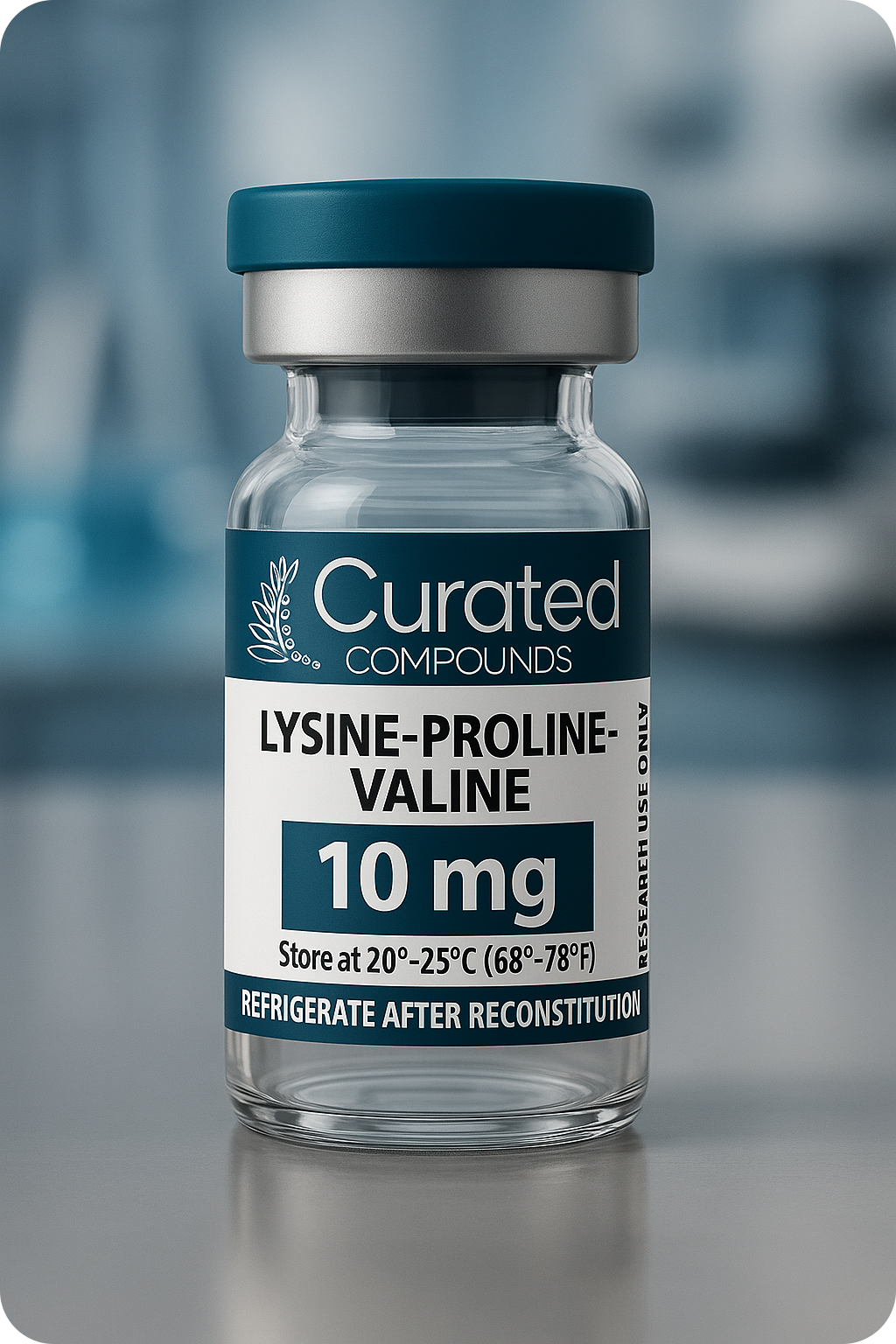
- Category: Neuropeptides
- Purity: 99.7%
- Format: Vial
- SKU: 265
Description
Product Overview: Lysine-Proline-Valine (KPV) is a naturally occurring tripeptide derived from the C-terminal sequence of alpha-melanocyte-stimulating hormone (alpha-MSH). This short peptide fragment retains specific biological properties of the parent hormone, particularly its anti-inflammatory signaling capacity, while lacking melanotropic activity. KPV represents a valuable research tool for studying alpha-MSH-derived peptide signaling in inflammatory and immune response models. Research Profile: KPV has been investigated in laboratory settings for its anti-inflammatory and immunomodulatory properties mediated through mechanisms distinct from classical melanocortin receptor binding. - Anti-inflammatory signaling: Studied for its ability to inhibit NF-kappaB nuclear translocation and reduce pro-inflammatory cytokine expression (IL-1beta, IL-6, TNF-alpha) in activated immune cell models. - Intestinal epithelial barrier function: Examined for its effects on tight junction protein expression and mucosal barrier integrity in enterocyte models. - Intracellular peptide transport: Investigated for its capacity to enter cells via PepT1 transporter-mediated uptake, enabling direct intracellular modulation of inflammatory cascades. - Wound healing: Explored for its effects on keratinocyte migration, fibroblast proliferation, and re-epithelialization in wound closure models. - Microbiome interaction: Studied for its stability in the gastrointestinal environment and potential effects on mucosal immune homeostasis. Key Research Applications: KPV is utilized in immunology and gastrointestinal research as a natural anti-inflammatory peptide. - Inflammatory bowel models: Applied in studies examining intestinal inflammation, epithelial barrier repair, and mucosal immune responses. - Dermatological research: Used in skin inflammation and wound healing models to evaluate anti-inflammatory and reparative effects. - Immune cell biology: Studied for its modulation of macrophage and dendritic cell inflammatory responses. - Peptide transport research: Investigated as a model substrate for PepT1-mediated intestinal peptide absorption studies. Specifications: Peptide Content: 10mg per vial Appearance: Lyophilized powder
Research Summary
A tripeptide studied for its anti-inflammatory properties and interactions with immune modulation and skin tissue pathways.
Browse more Neuropeptides